


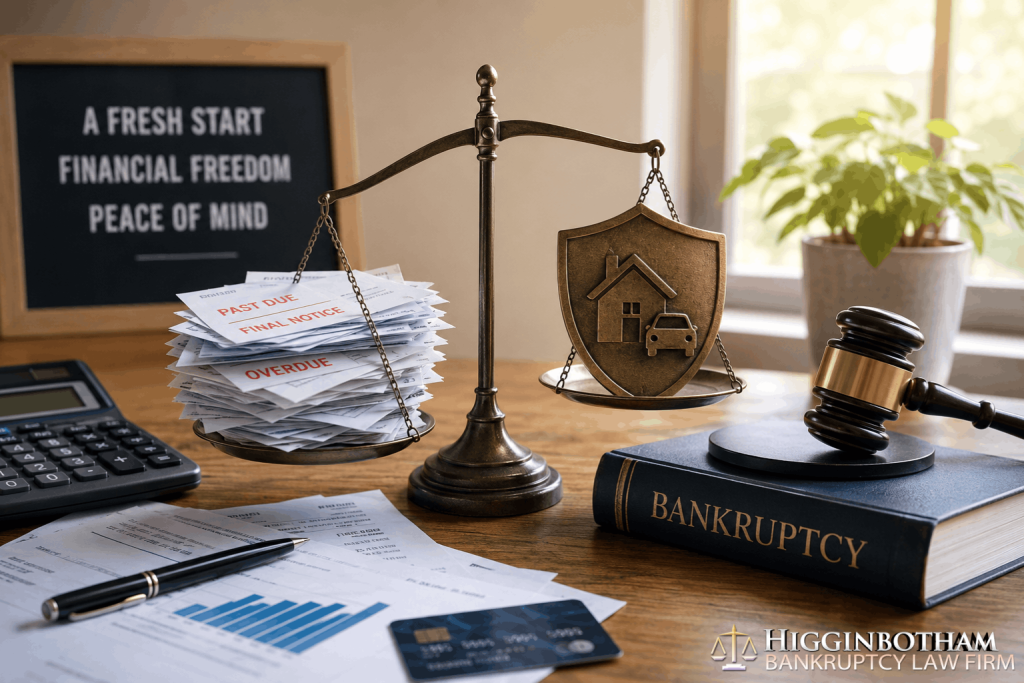
Should you file bankruptcy in Florida when bills continue piling up every month?
Many people in Jacksonville face this difficult decision daily. Some try debt settlement first, while others consider bankruptcy immediately. Choosing the right path matters because the wrong decision can prolong financial stress and delay recovery.
Understanding Your Florida Debt Relief Options
Many families delay seeking help because they feel embarrassed about financial problems. However, debt issues often result from medical emergencies, job loss, or rising living costs. Exploring Florida debt relief options early may prevent lawsuits, wage garnishments, or foreclosure actions.
Debt relief solutions can include debt settlement, consolidation, Chapter 7 bankruptcy, or Chapter 13 repayment plans. Each option carries different risks and benefits. Some work better for temporary hardship, while others address long-term financial struggles.
A trusted resource from the United States Courts explains how bankruptcy protections work under federal law. You can review the information through United States Courts Bankruptcy Basics.
Recognizing Bankruptcy Warning Signs
Many people wait too long before speaking with an attorney. Certain financial problems usually indicate deeper trouble. Understanding common bankruptcy warning signs can help you act before your situation worsens.
Frequent collection calls often signal serious debt problems. Using credit cards for groceries or utilities also suggests financial instability. Missing mortgage payments or facing repossession notices may indicate that immediate legal action is necessary.
Another warning sign is paying only the minimum balance each month. Interest continues to grow, while total debt barely changes. Retirement savings withdrawals also show unsustainable financial pressure.
Seeking legal advice early may protect assets and reduce stress. Delaying action often limits available solutions.
Chapter 7 vs Chapter 13 Florida
Understanding Chapter 7 vs Chapter 13 Florida bankruptcy laws is essential before choosing a path forward. Both options provide relief, but they function differently.
Chapter 7 bankruptcy eliminates qualifying unsecured debts quickly. Credit card balances, medical bills, and personal loans often qualify for discharge. Many cases finish within several months.
Chapter 13 bankruptcy creates a structured repayment plan lasting three to five years. This option helps individuals catch up on mortgage payments or on vehicle loan payments. It may also protect certain assets from liquidation.
Why Speaking With a Jacksonville Bankruptcy Attorney Matters
Every financial situation involves unique challenges. Working with a qualified Jacksonville bankruptcy attorney helps you avoid costly mistakes during the process.
Some individuals attempt debt settlement without understanding tax consequences or creditor negotiation tactics. Others file bankruptcy independently and miss important deadlines or exemption protections.
An attorney carefully reviews your income, debts, assets, and long-term goals. This guidance helps determine whether bankruptcy or another debt solution best fits your needs.
When You Should Seek Overwhelming Debt Help
Debt stress affects more than finances alone. Many people lose sleep, struggle at work, or experience relationship strain because of financial pressure. Seeking overwhelming debt help early may improve both emotional and financial well-being.
Some individuals avoid answering phone calls because creditors contact them constantly. Others delay medical care or essential purchases due to limited income. These situations often worsen without intervention.
Bankruptcy does not mean financial failure. Instead, it can provide a legal opportunity for rebuilding stability. Debt settlement may also help certain individuals reduce balances without filing for bankruptcy.
The right solution depends on your income, assets, and overall debt levels. Careful evaluation remains essential before making any decision.
Schedule a Bankruptcy Consultation Jacksonville Residents Can Trust
A professional bankruptcy consultation Jacksonville residents rely on can clarify your available options quickly. During a consultation, an attorney reviews your debts, discusses goals, and explains potential outcomes honestly.
Understanding your legal protections may reduce fear and uncertainty. Many people discover solutions exist sooner than expected. Taking action today may prevent future financial damage.
Make the Right Choice for Your Financial Future
Choosing between debt settlement and bankruptcy can feel overwhelming during financial hardship. However, understanding your options makes the decision easier. If you are asking, should you file bankruptcy in Florida, professional legal guidance may help you move forward confidently.
Contact Jax Debt Relief to discuss your situation and explore practical solutions. Call (904) 257-9288 or visit the Jax Debt Relief Contact Us Page to schedule your free consultation today.
Frequently Asked Questions
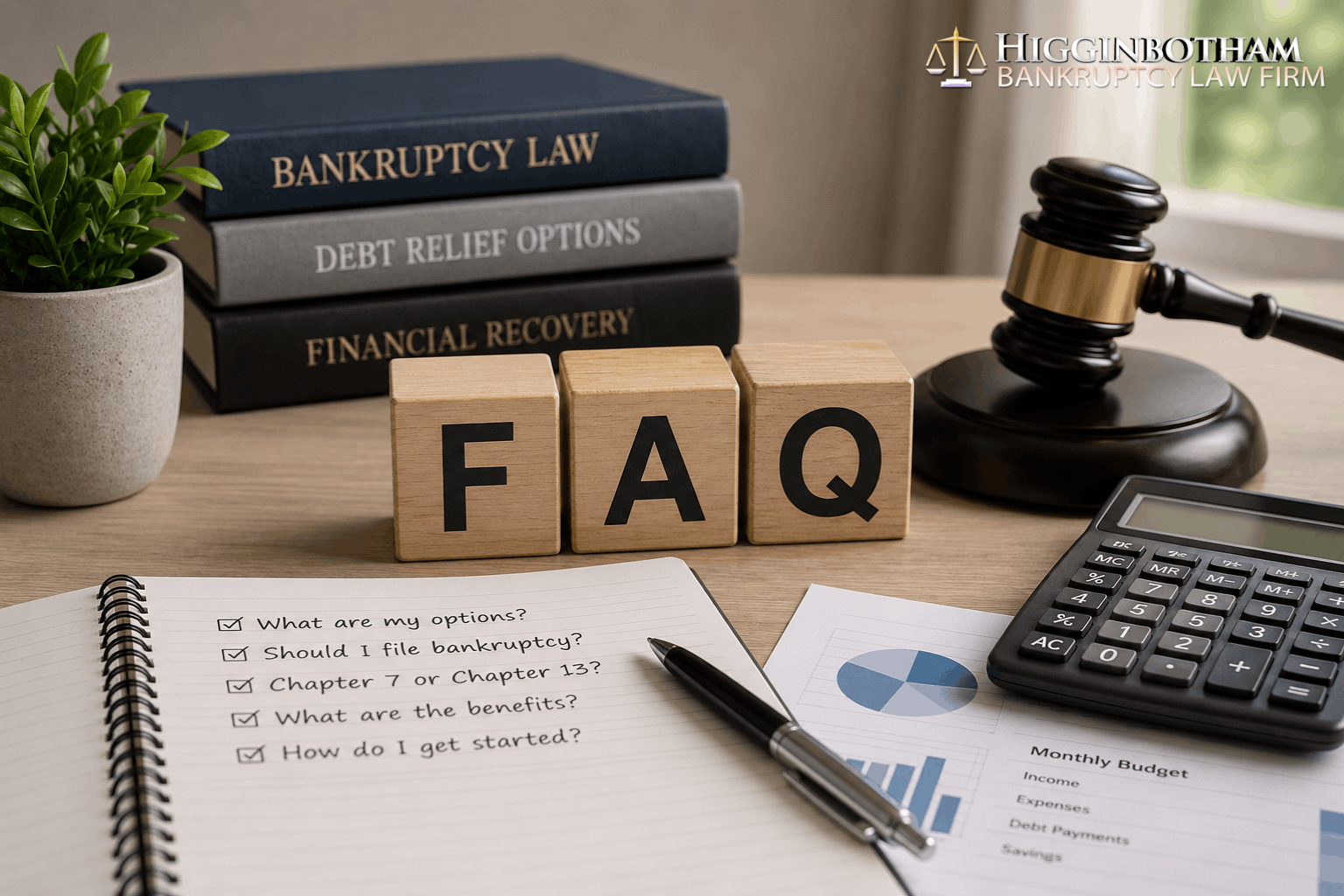
Should I file bankruptcy in Florida if my debt keeps growing?
If your debt continues increasing despite regular payments, bankruptcy may provide relief. Filing can stop collection calls, lawsuits, garnishments, and foreclosure actions while allowing you to reorganize or eliminate qualifying debts.
What is the difference between Chapter 7 and Chapter 13 bankruptcy in Florida?
Chapter 7 bankruptcy focuses on eliminating unsecured debts like credit cards and medical bills. Chapter 13 bankruptcy creates a repayment plan over three to five years, often helping people keep homes or vehicles while catching up on missed payments.
Will bankruptcy ruin my credit forever?
Bankruptcy affects credit, but many people begin rebuilding sooner than expected. In some cases, bankruptcy improves financial stability faster than continuing to miss payments and accumulate debt.
Can I keep my home and car if I file bankruptcy in Florida?
Florida bankruptcy exemptions may protect your home, vehicle, and certain personal property depending on your circumstances. Chapter 13 is often used to help people avoid foreclosure or repossession.
What debts can be discharged in bankruptcy?
Many unsecured debts, including credit cards, medical bills, personal loans, and some judgments, may qualify for discharge. Certain debts like child support, alimony, and most student loans are usually not dischargeable.
Is debt settlement better than bankruptcy?
Debt settlement may work for some individuals with manageable debt and stable income. However, bankruptcy can provide stronger legal protections when debt becomes overwhelming or lawsuits are pending.
How quickly does bankruptcy stop collection calls?
Filing bankruptcy triggers an automatic stay, which legally stops most collection activity immediately, including creditor calls, wage garnishments, foreclosure actions, and lawsuits.
When should I speak with a bankruptcy attorney?
You should speak with an attorney as soon as you struggle to keep up with payments, face collection lawsuits, use credit cards for necessities, or risk losing property due to debt.